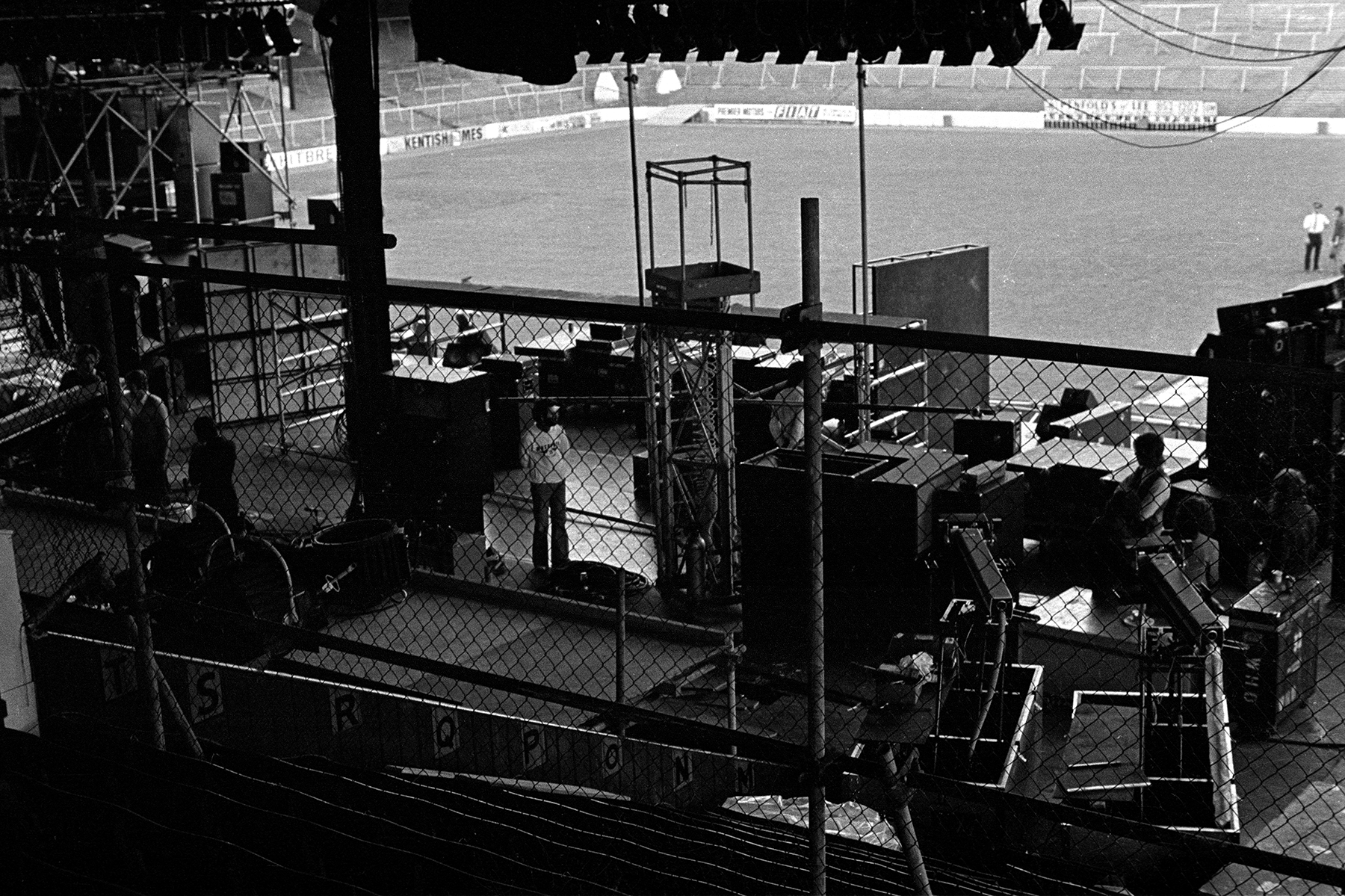
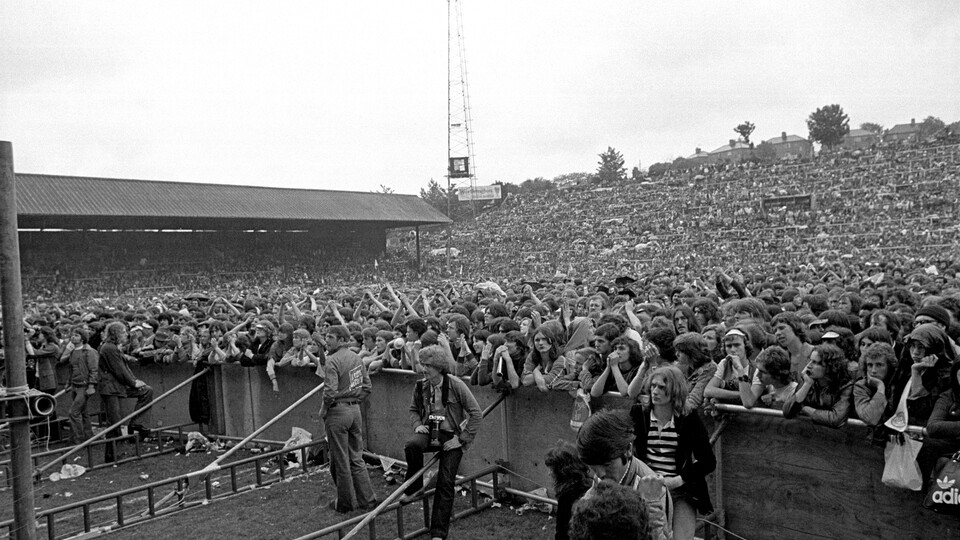
On a rain-soaked bank holiday Monday, May 31st, 1976, The Who turned The Valley into the loudest music venue ever captured on record.
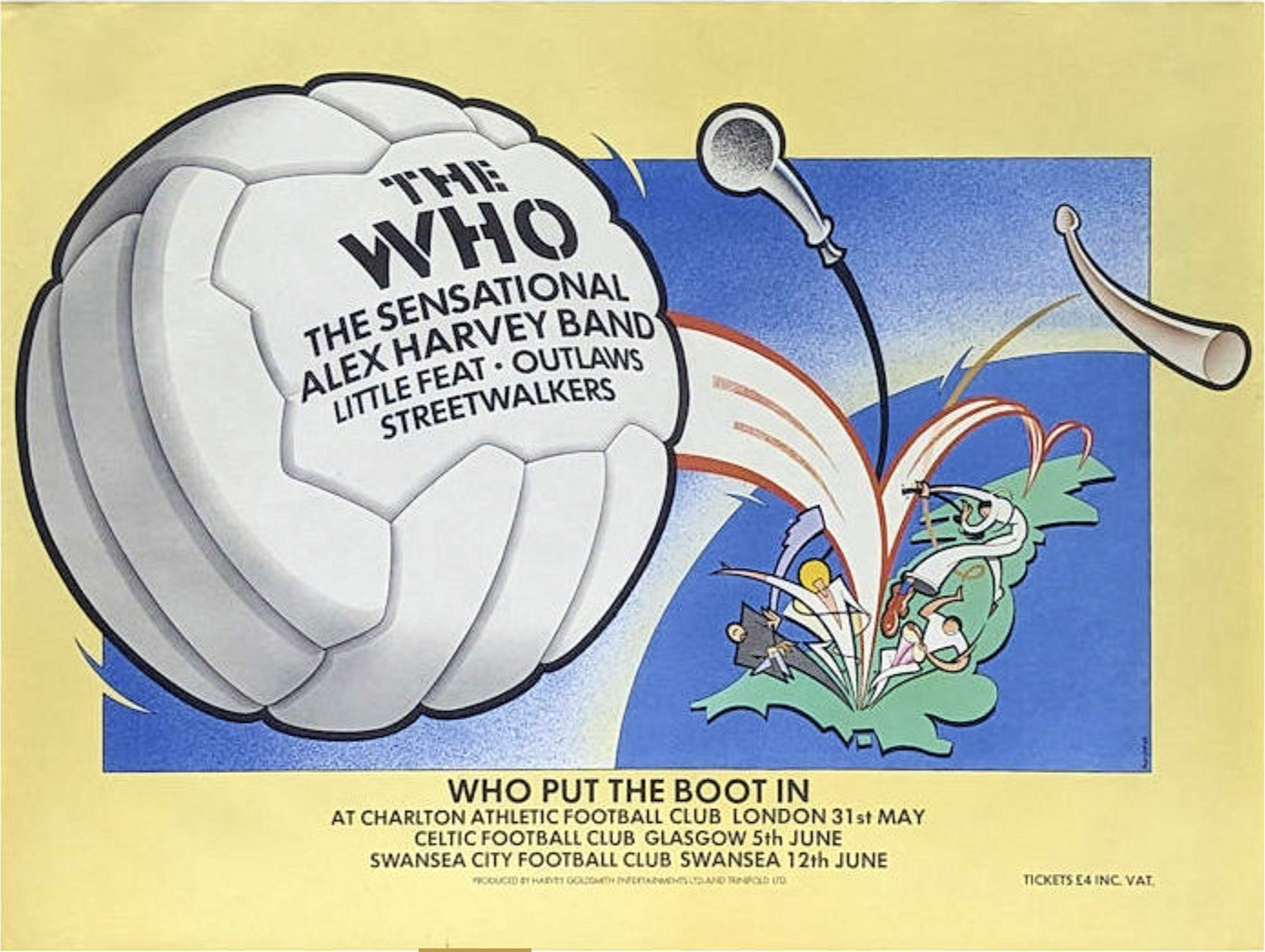
SE7 was the London stop of The Who’s aptly named “Who Put the Boot in Tour,” - a short run of football grounds that then went across the UK, hitting London, Glasgow and Swansea. The tour’s branding was complete with a football emblazoned poster with an image of the UK, that leaned into its’ target audience and the grit of working-class Britain. The terraces that usually housed Charlton supporters were instead packed with tens of thousands of music fans. The Valley was the band’s only stop in the capital.
What followed was a day of deafening music, torrential rain, lasers and scenes that have since passed into rock folklore. The band even entered the Guinness Book of World Records for the loudest concert ever recorded.
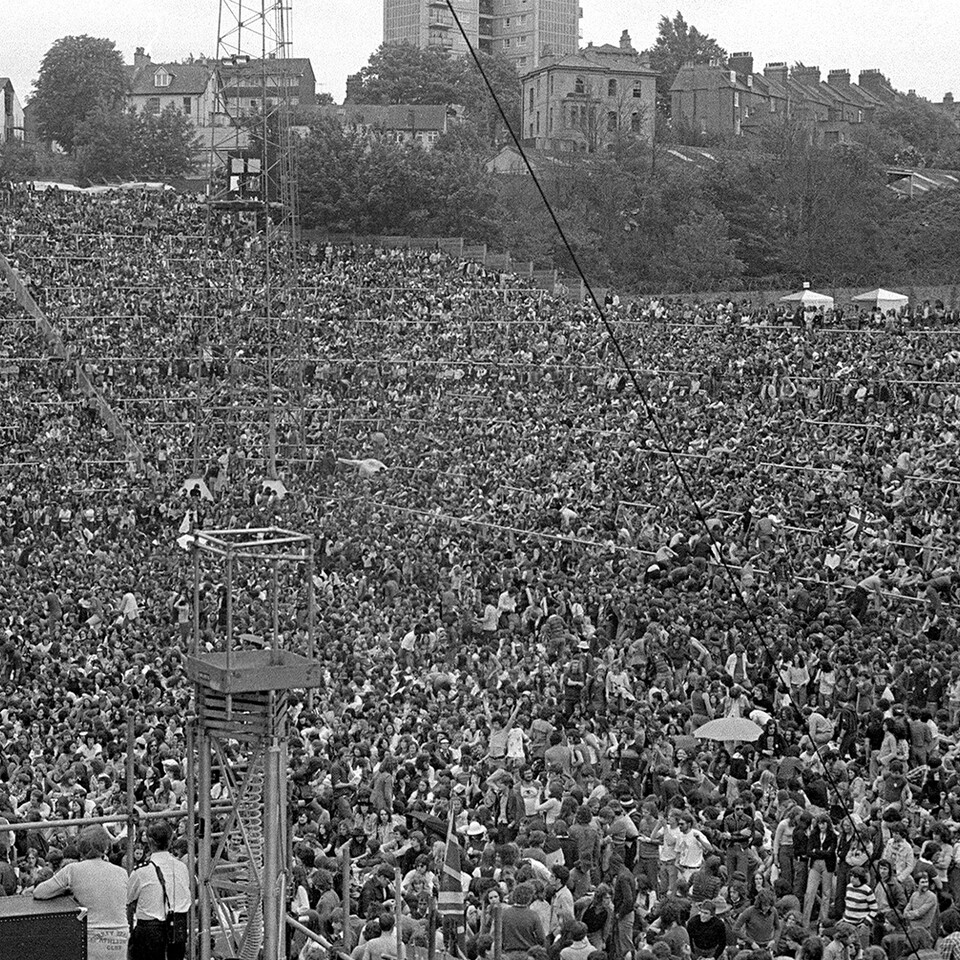
The Who’s stop in south-east London marked the second time they had played The Valley, one of the earliest football stadium concerts they had headlined.
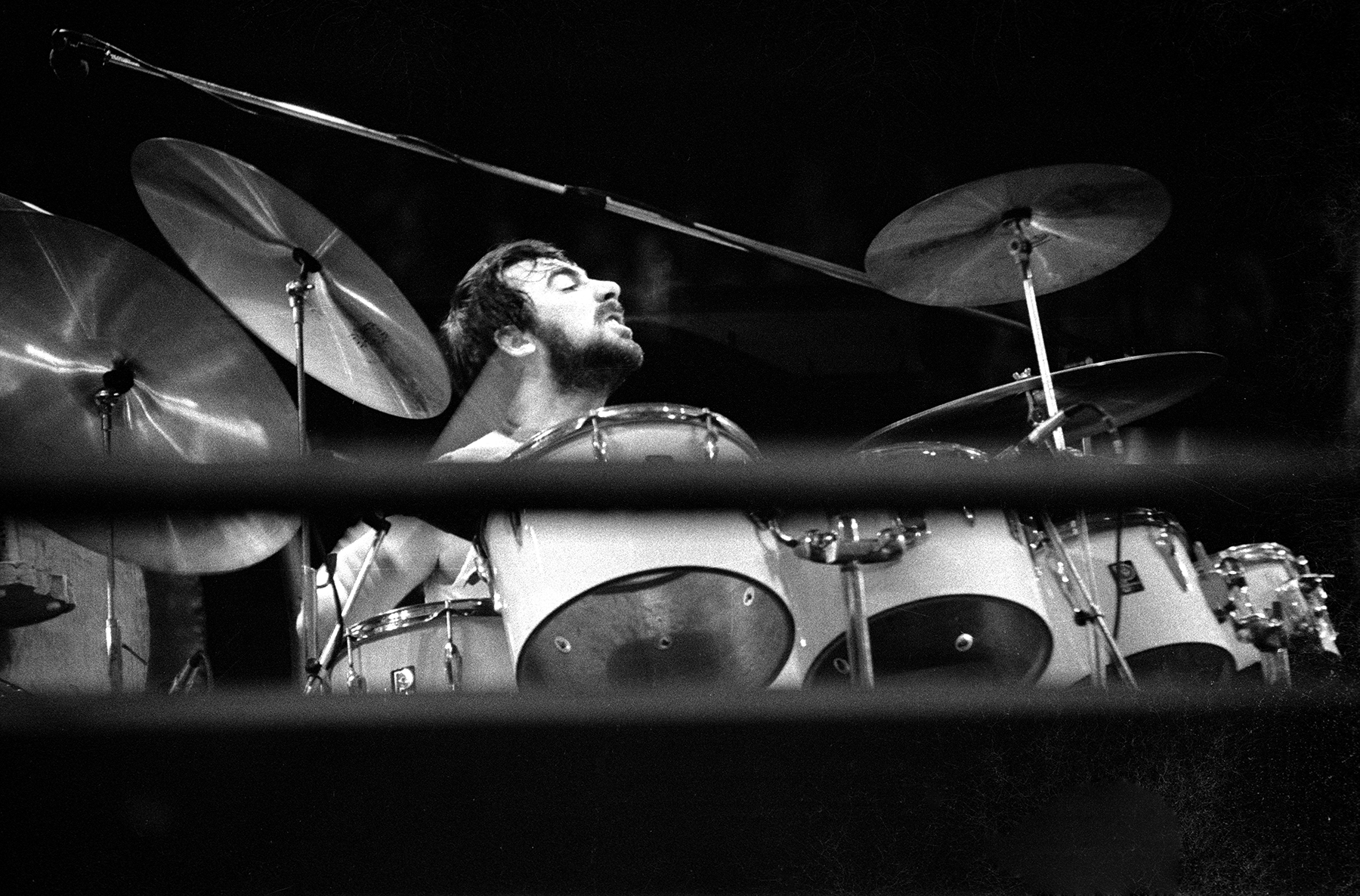
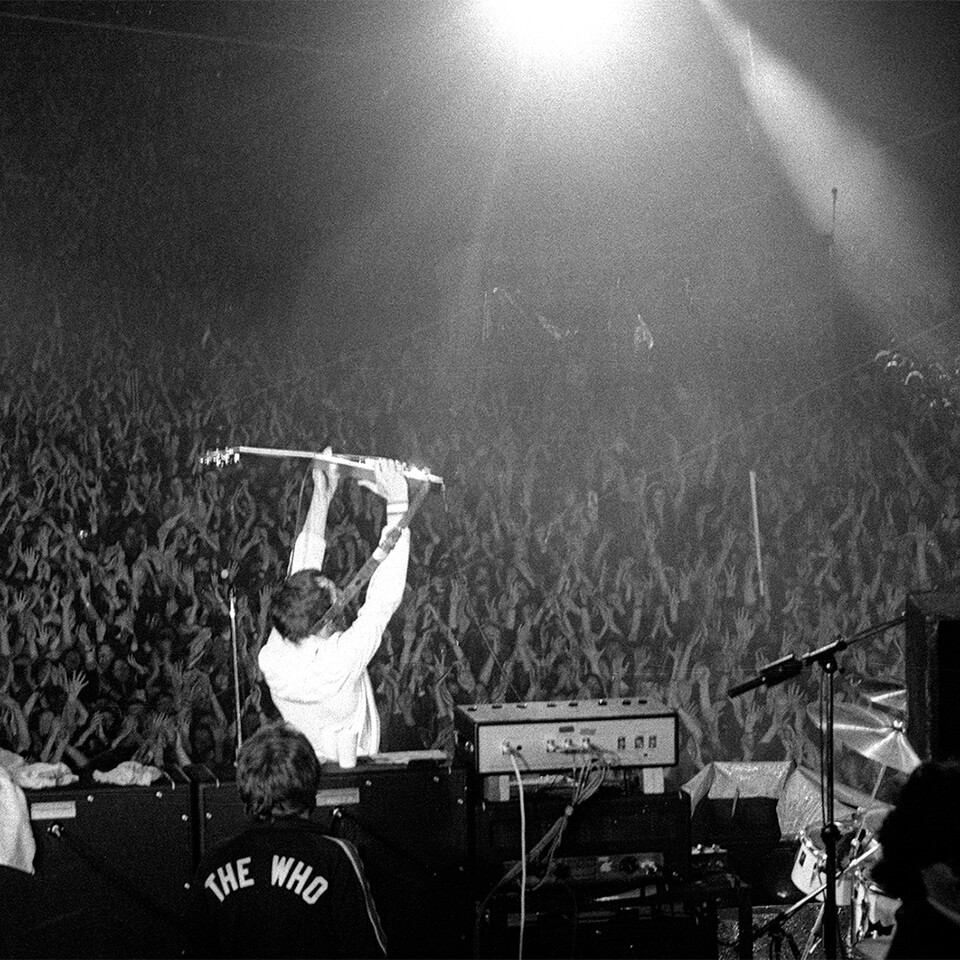
Their iconic performance on a rainy Monday in Charlton marked one of Keith Moon’s last appearances for the band, before his passing just two years later.
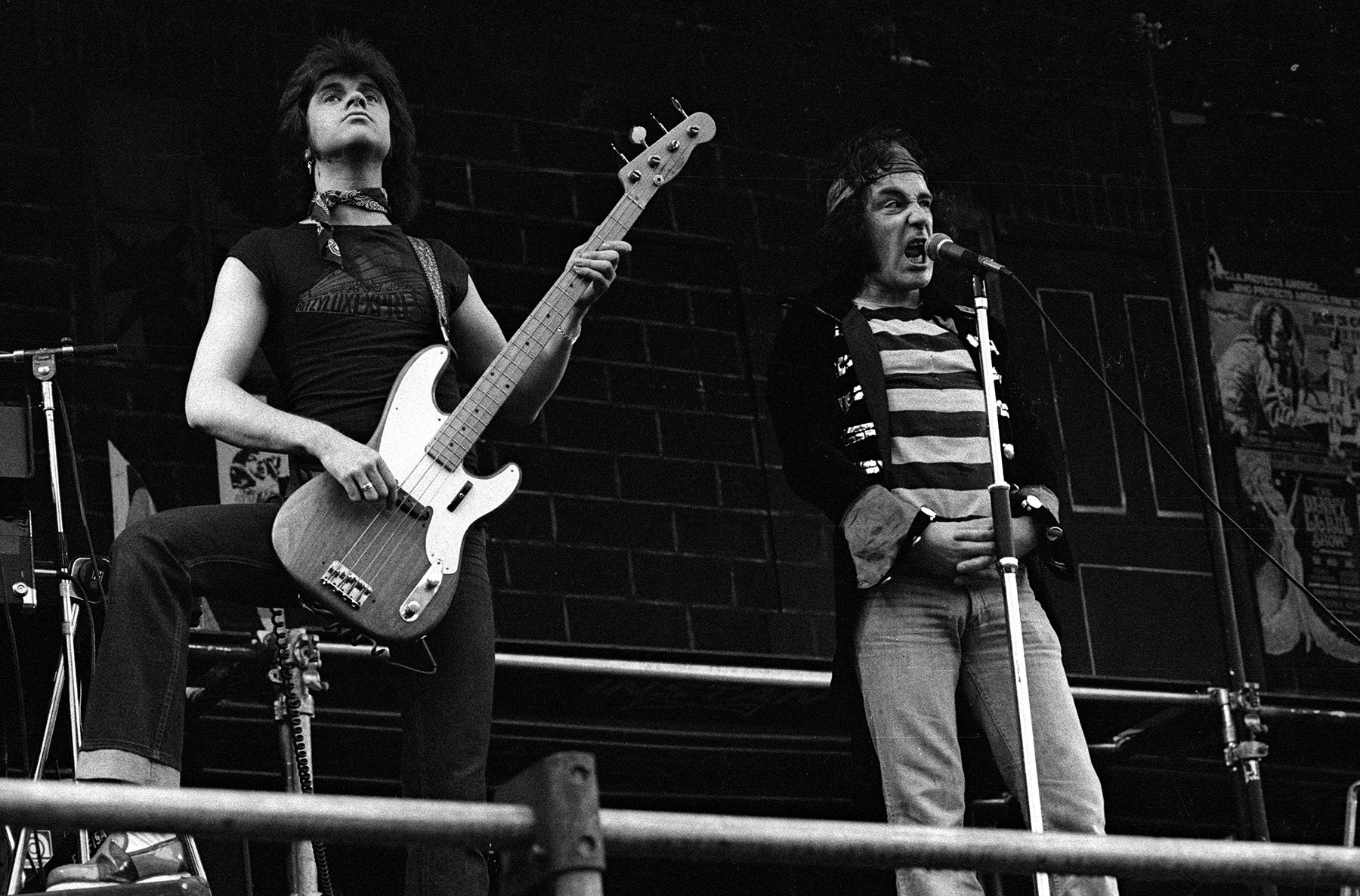
The Sensational Alex Harvey Band, Little Feat, Outlaws, Streetwalkers and Widowmaker (featuring Steve Ellis and Ariel Bender) all joined The Who as support acts on the bill.
The all-day event featured an enormous 100,000-watt PA system, cutting-edge laser displays and pyrotechnics, all of which were considered as futuristic for the late-70s. Tickets cost just £4 including VAT, a small price in today’s economy, roughly equivalent to around £30 today.
Behind the scenes, the event had its own local connections, with Alan Curbishley having secured his first job in SE7. The Who’s manager, Bill Curbishley, Alan’s older brother, had enlisted him and his other siblings to sell badges in and around the ground.
Recalling the occasion years later, the Addicks' legendary boss said: “Bill had been managing the band for a couple of years, and got me and my younger brother Paul, and a friend, to make badges and sell them at the concert. We had a badge-making machine, and on the front of each one was a photo of The Who, and we sold them for 20p a pop!”
He remembered repeatedly running back inside The Valley to produce more stock as demand surged.
“The Who were at the height of their powers and flying," Curbishley continued.
"I remember having to keep running back inside to a room inside The Valley where we put our machine to make more badges. Fans put up tents in nearby gardens and spent the night there. Loads of people jumped the fences and got in for free, the entrance gates were even knocked down.”
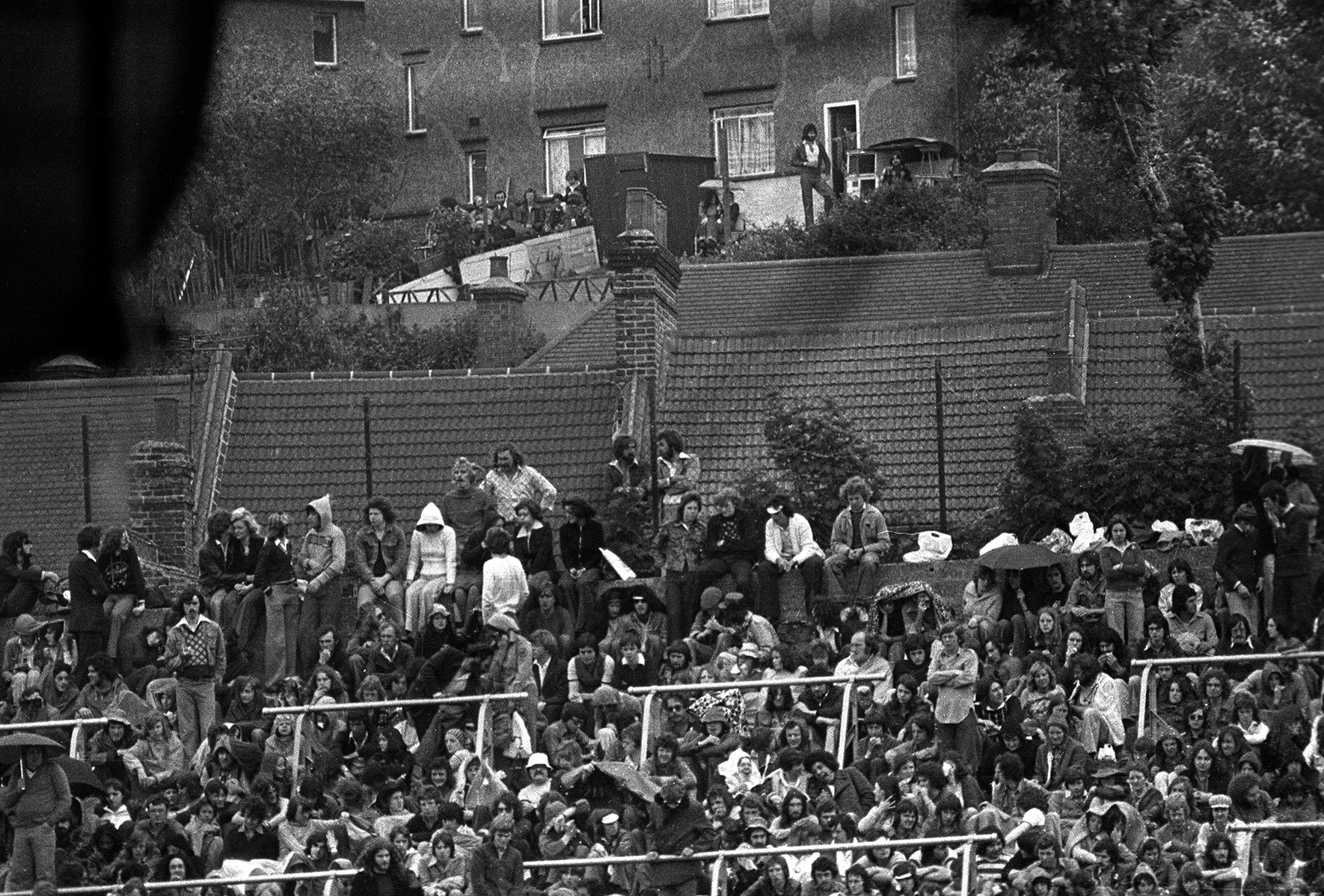
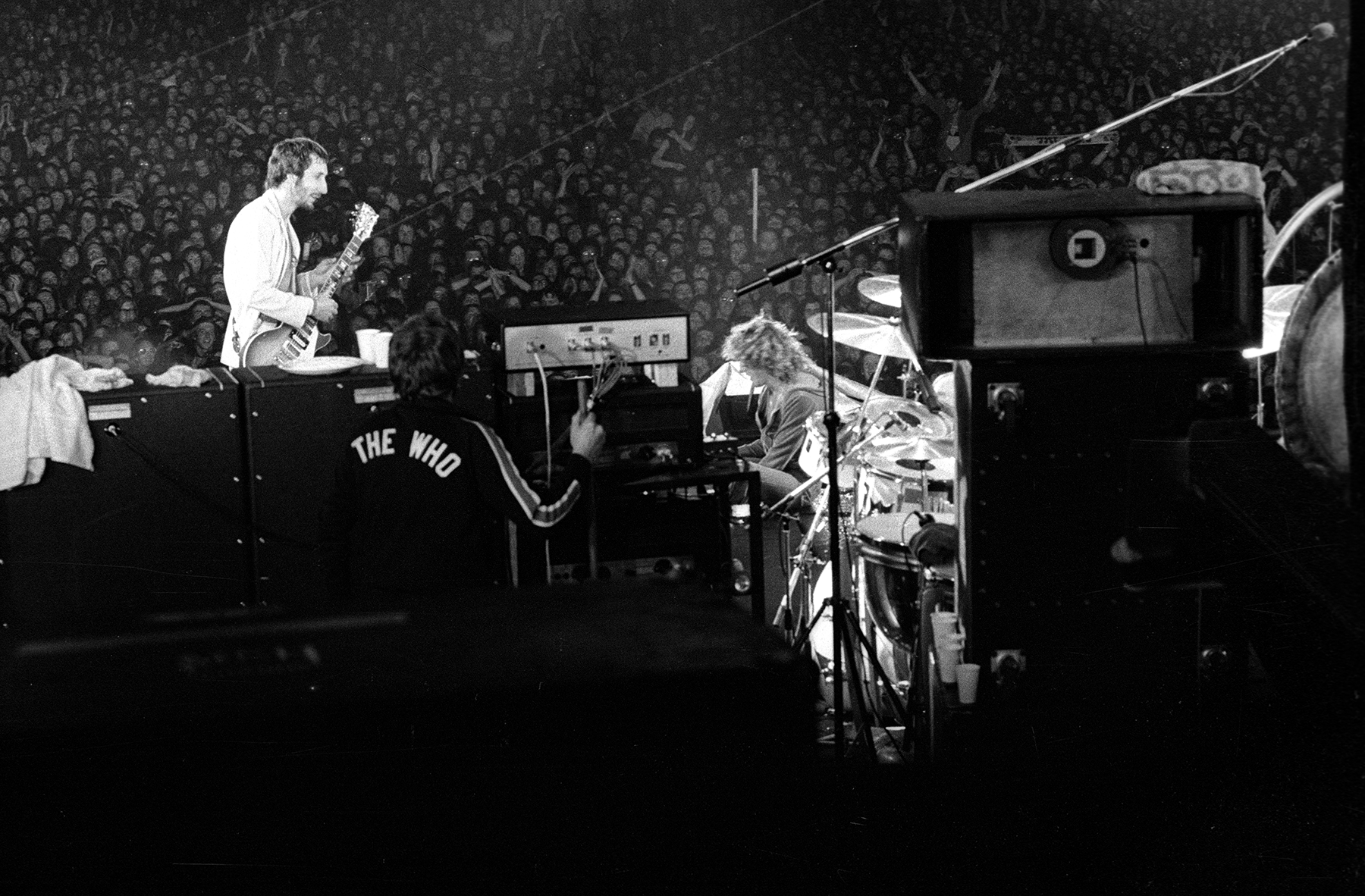
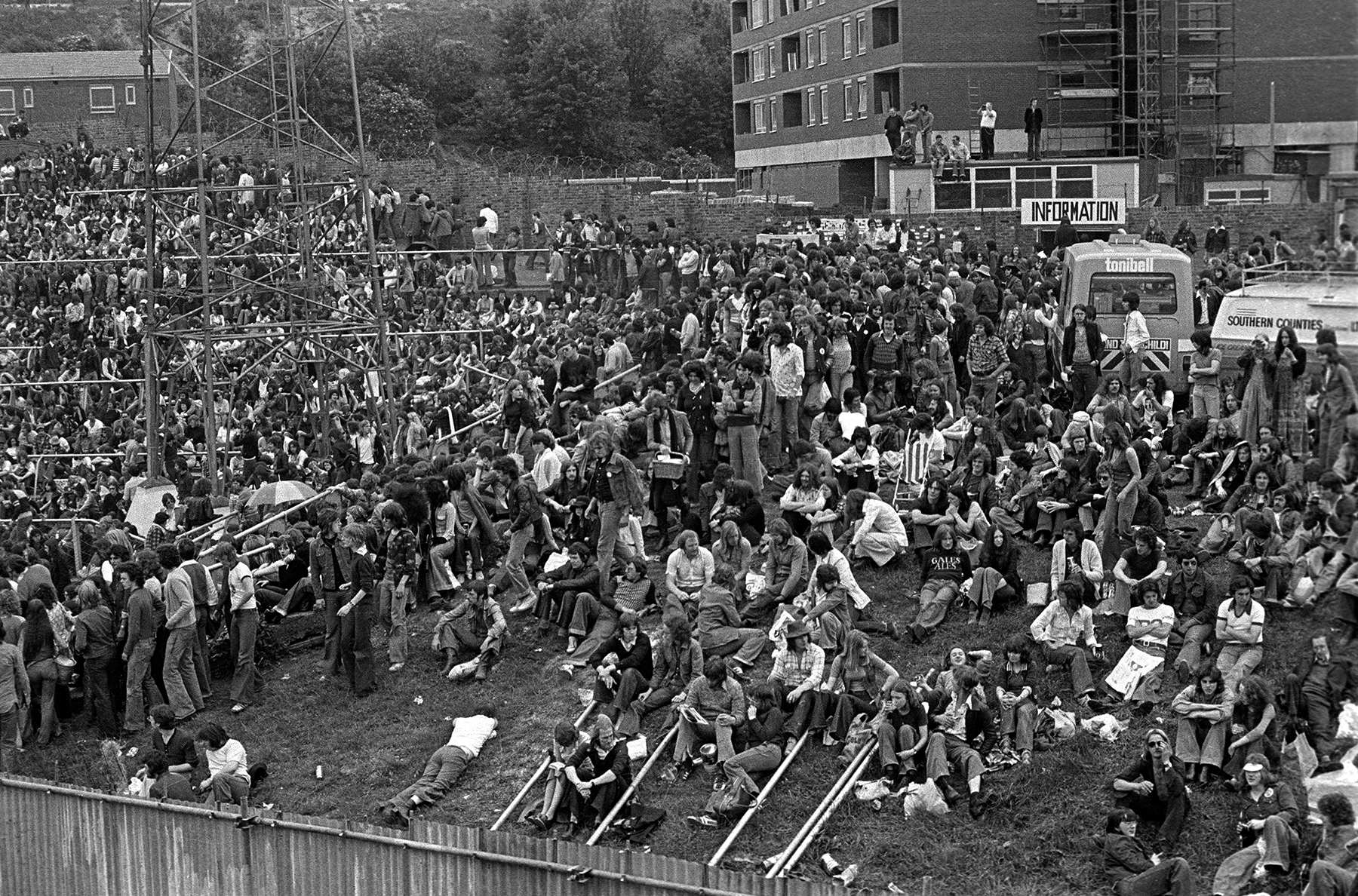
In typical British fashion, heavy rain poured down over Charlton across the afternoon and the evening, giving the occasion a distinctly damp backdrop. In 1976, The Valley didn’t have the covered accommodation on all four sides that it does today.
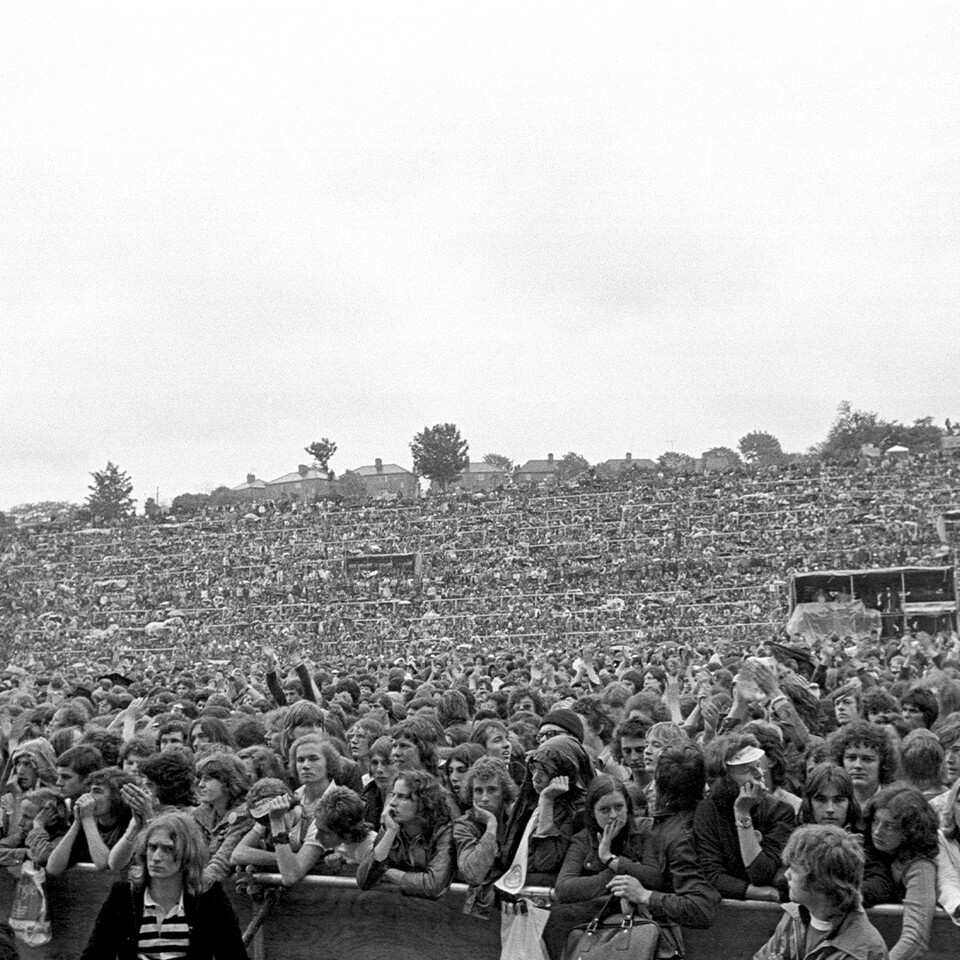
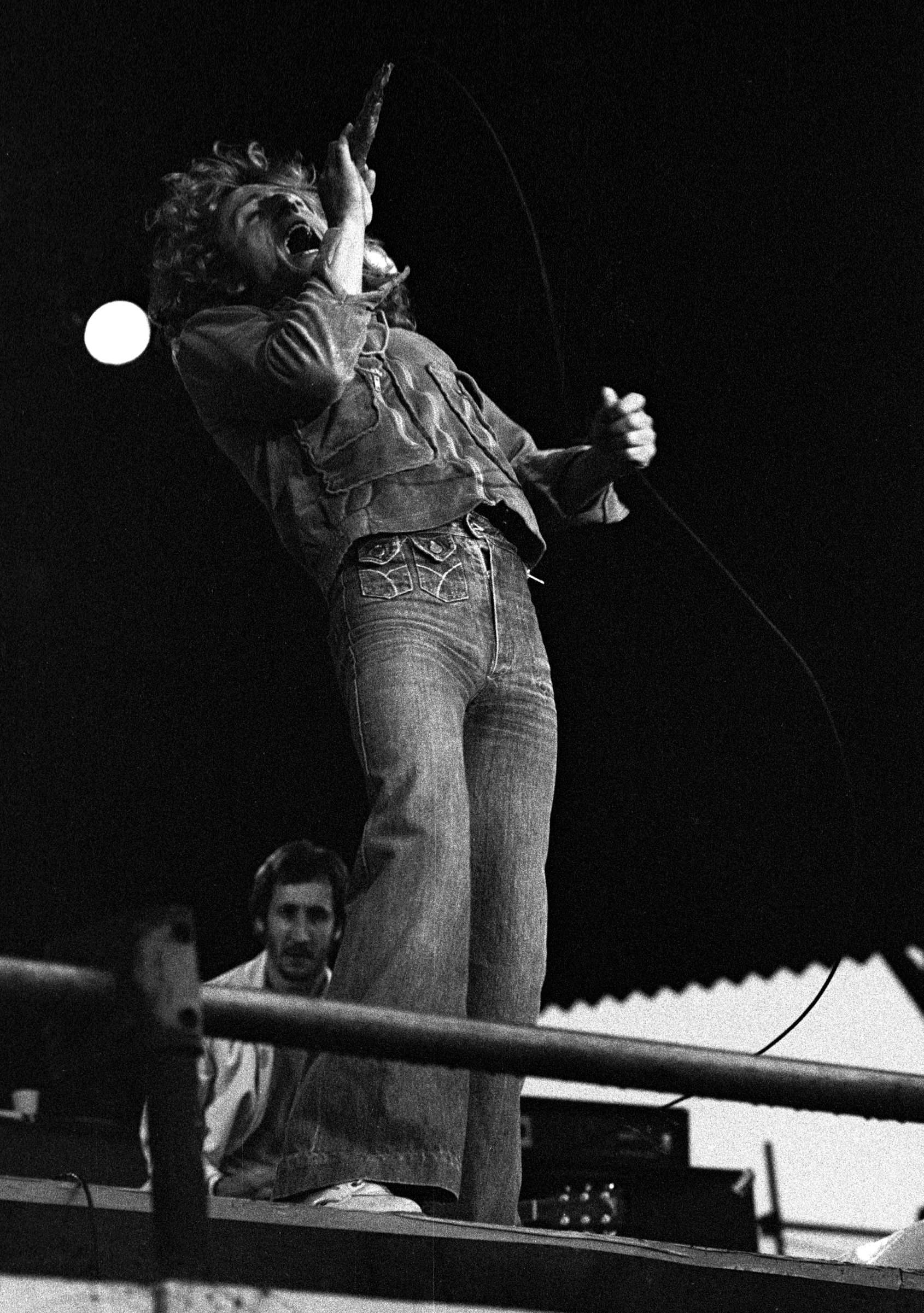
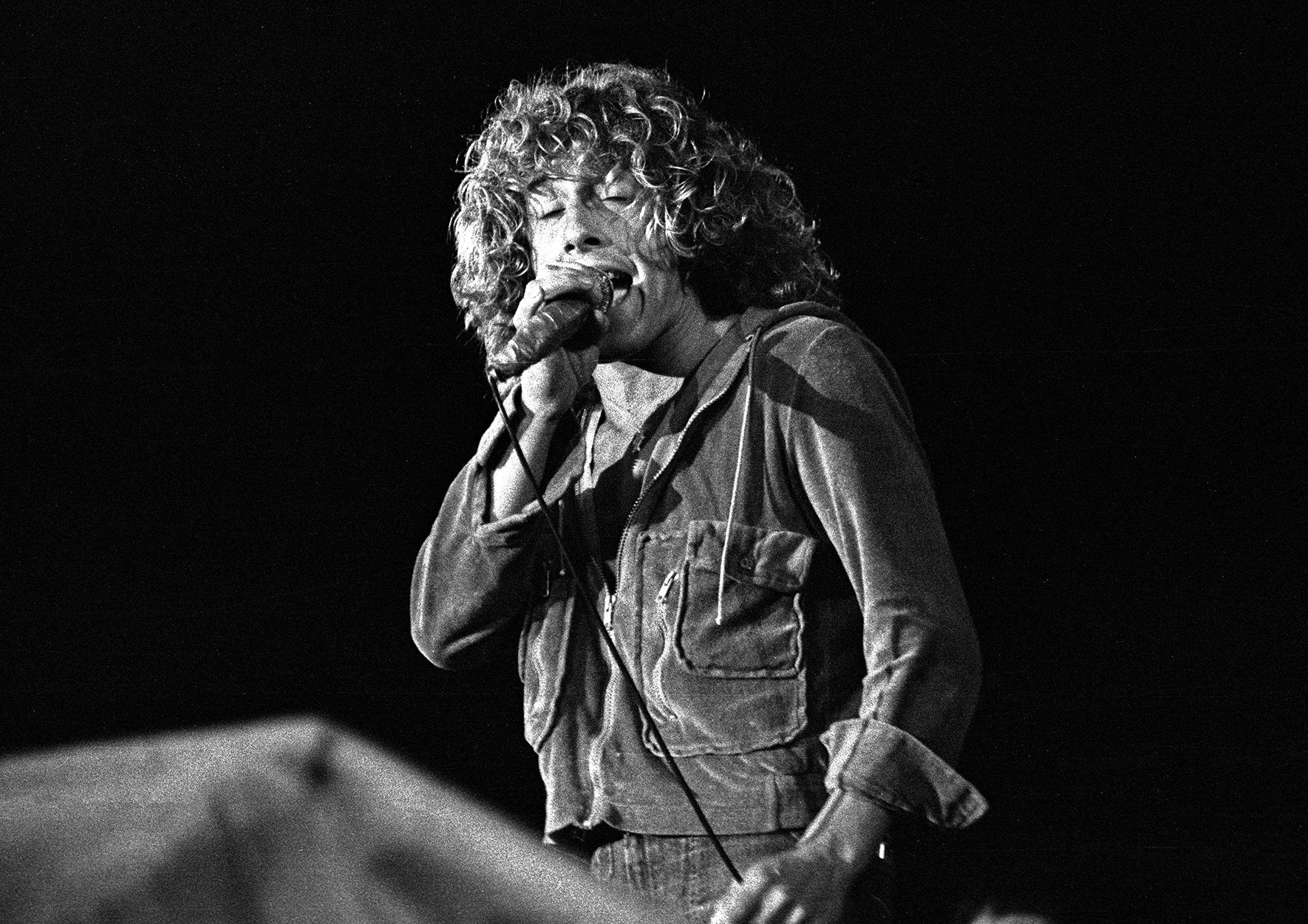
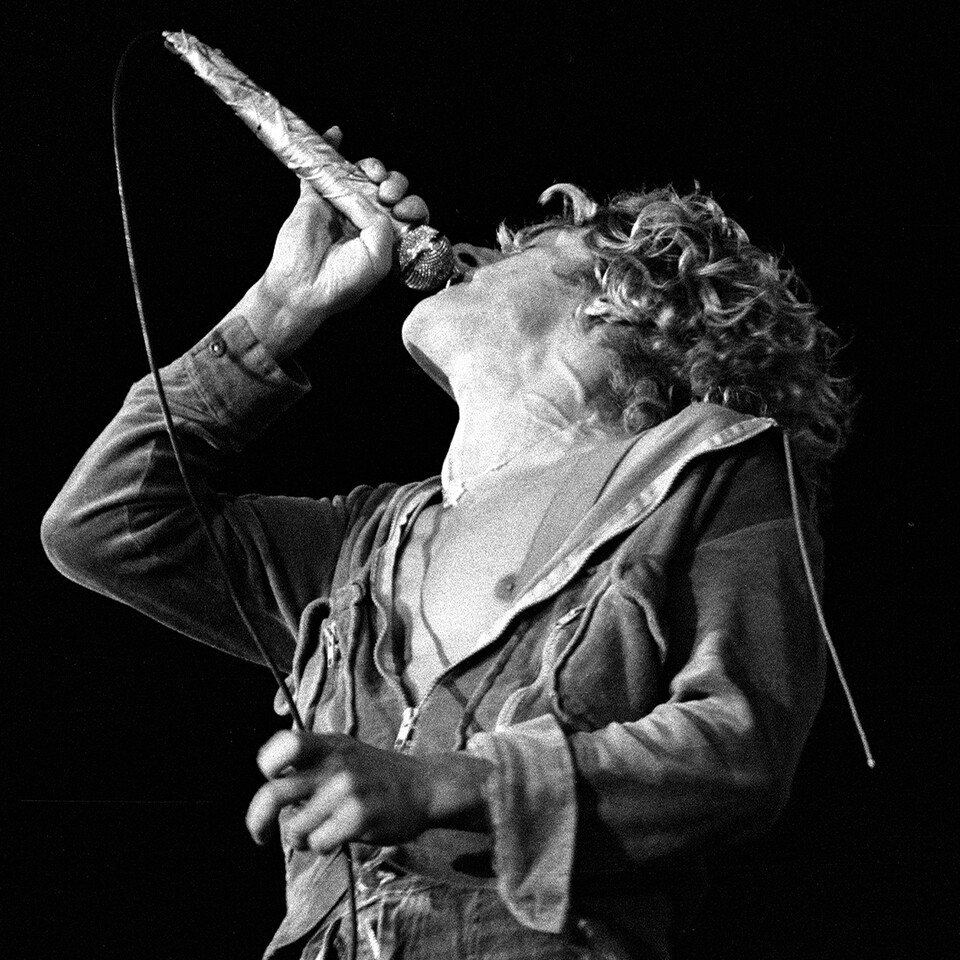
When Roger Daltrey finally emerged to begin The Who’s long-awaited set, he immediately slipped across the stage floor. Picking himself up, the frontman famously joked that the performance had become “The Who on Ice.” He abandoned his shoes as he began to sing, having decided it was easier to perform on the damp surface barefoot.
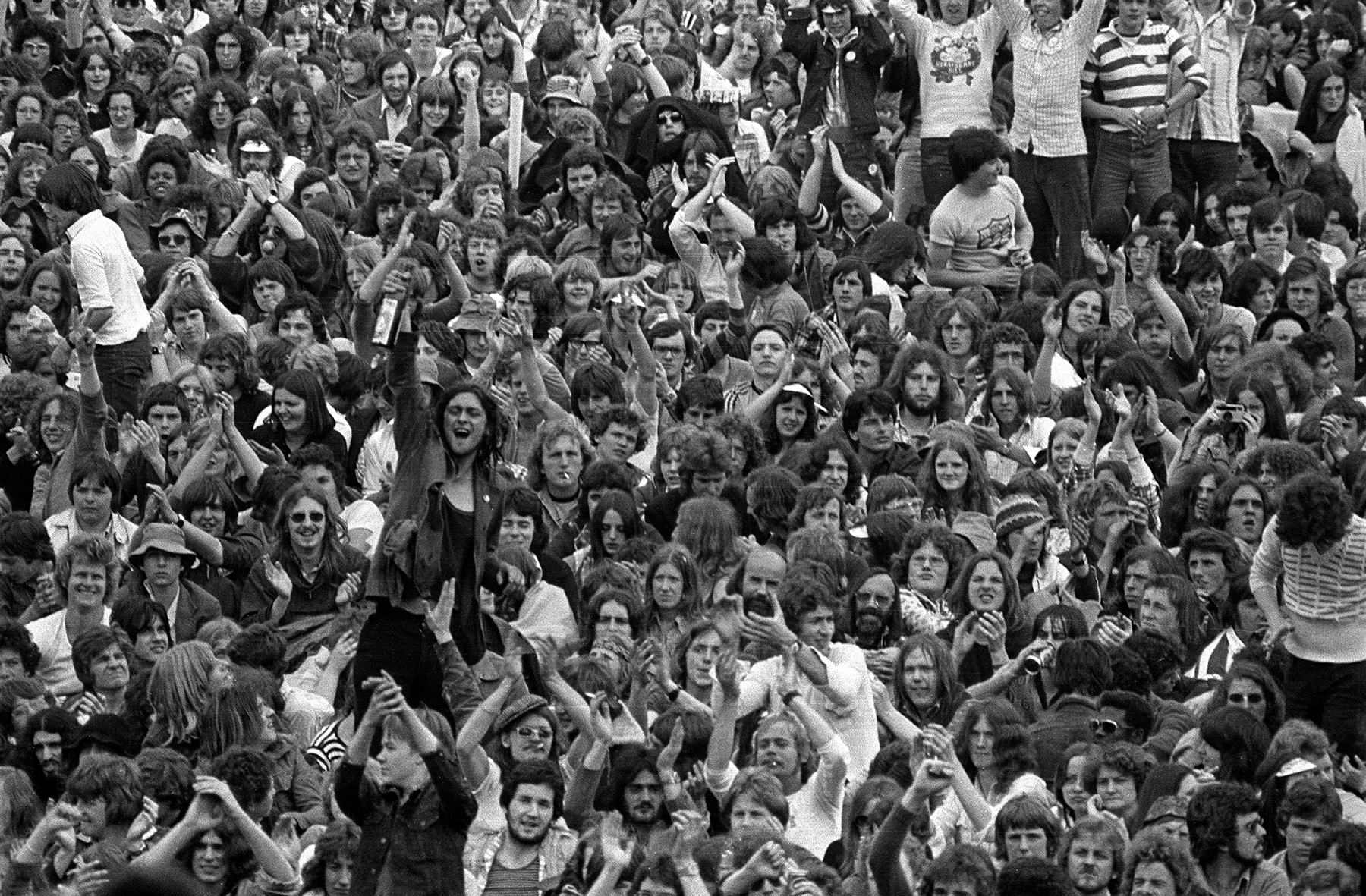
Despite the conditions, many music fans would later describe the concert as one of The Who’s greatest ever performances, with the band at the peak of their powers.
Their setlist mixed iconic classics with a blend of new material, including 'Baba O’Riley', 'My Generation', 'Pinball Wizard', 'Join Together', and 'Won’t Get Fooled Again'. However, it was not only the music making headlines, as reports suggested that thousands had unlawfully squeezed inside The Valley. Fans camped overnight up and down Charlton Church Lane and Floyd Road.
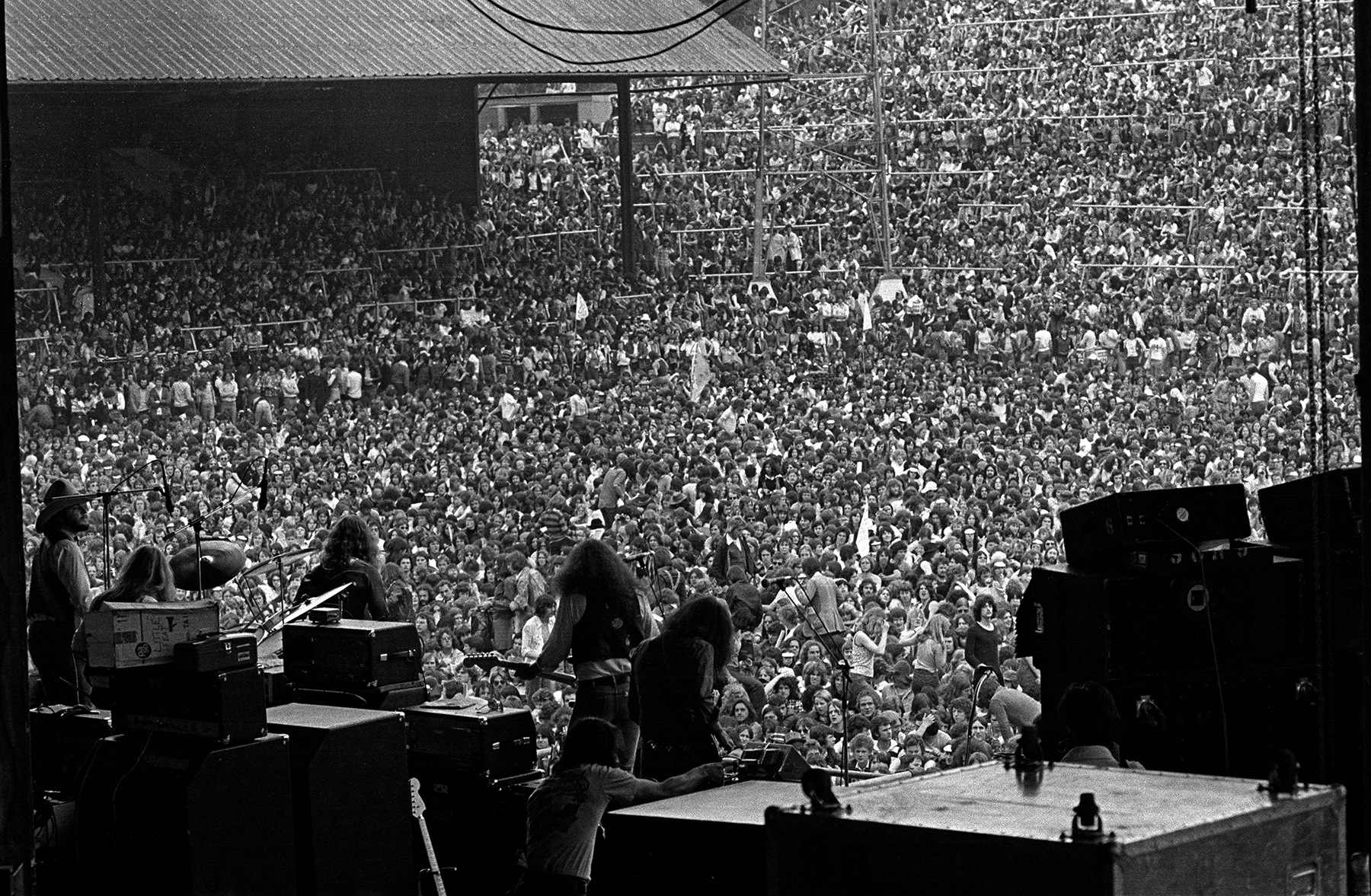
Curbishley recalled the sheer scale of the crowd that descended SE7 on Bank Holiday Monday in 1976.
“The old Greater London Council flew a helicopter overhead and calculated around 88,000 people rammed in and the event promoters got fined as it was over capacity," he recalled.
"The big old east bank – which is where the stand named after me sits – had 46,000 that night. It’s one of my most vivid childhood memories.”
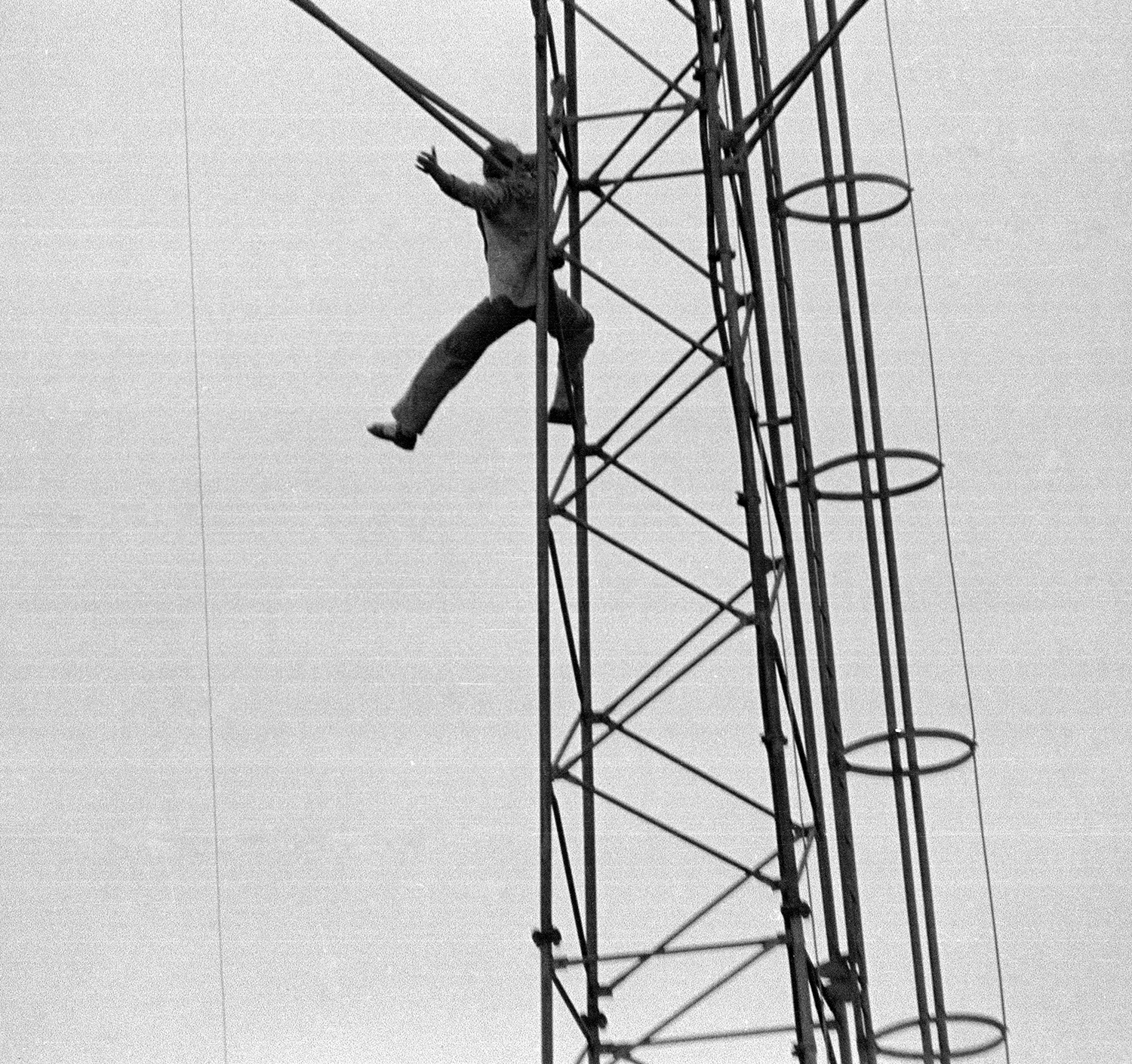
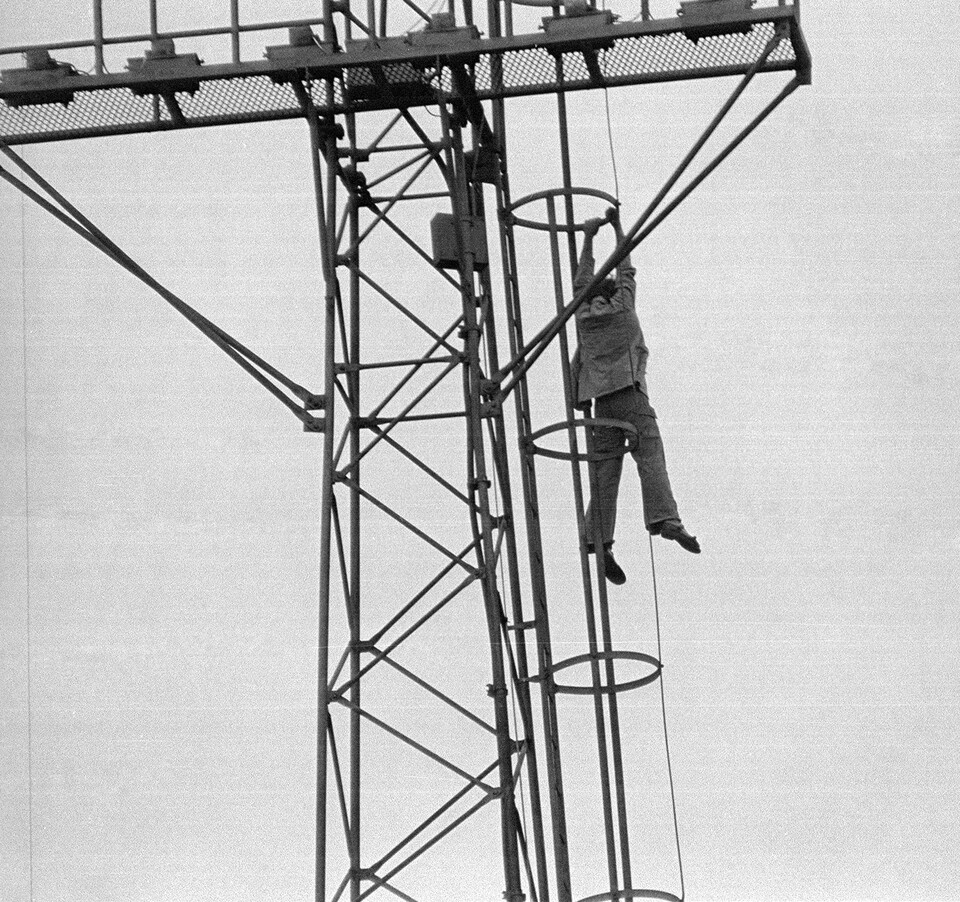
Counterfeit tickets caused all manner of problems and eventually crowd disorder began to occur. Entrance gates to The Valley were knocked down, as many forced their way into the ground for free. Some concertgoers went to the extreme and even climbed the towering floodlights in the corners of the stadium to get a better view.
Many recall beer cans being hurled upwards by spectators who were on the ground, to try and knock them down. This altercation supposedly delayed The Who’s entrance to the stage, as it disrupted the mirrors that were being used for the outdoor laser show.
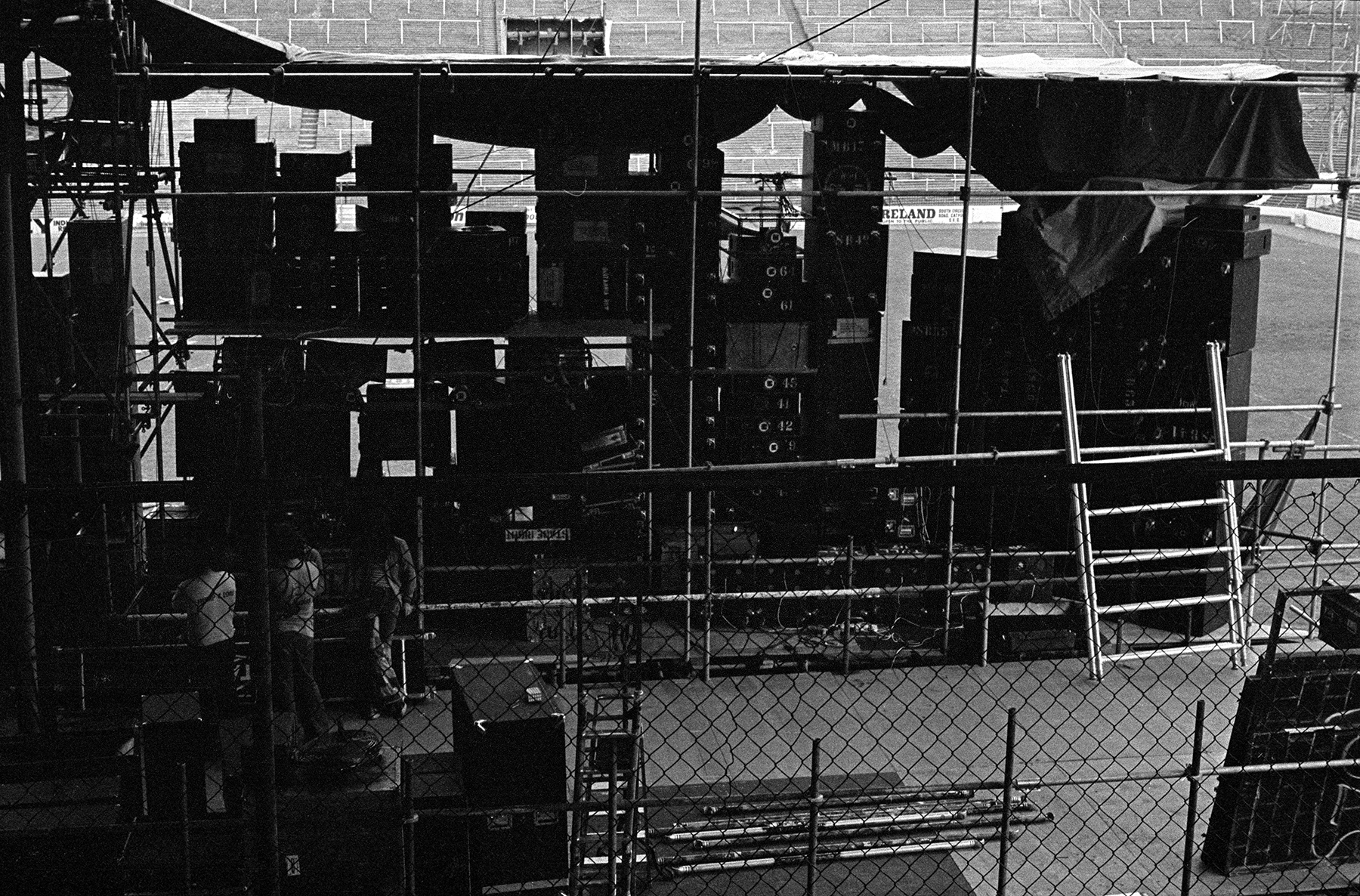
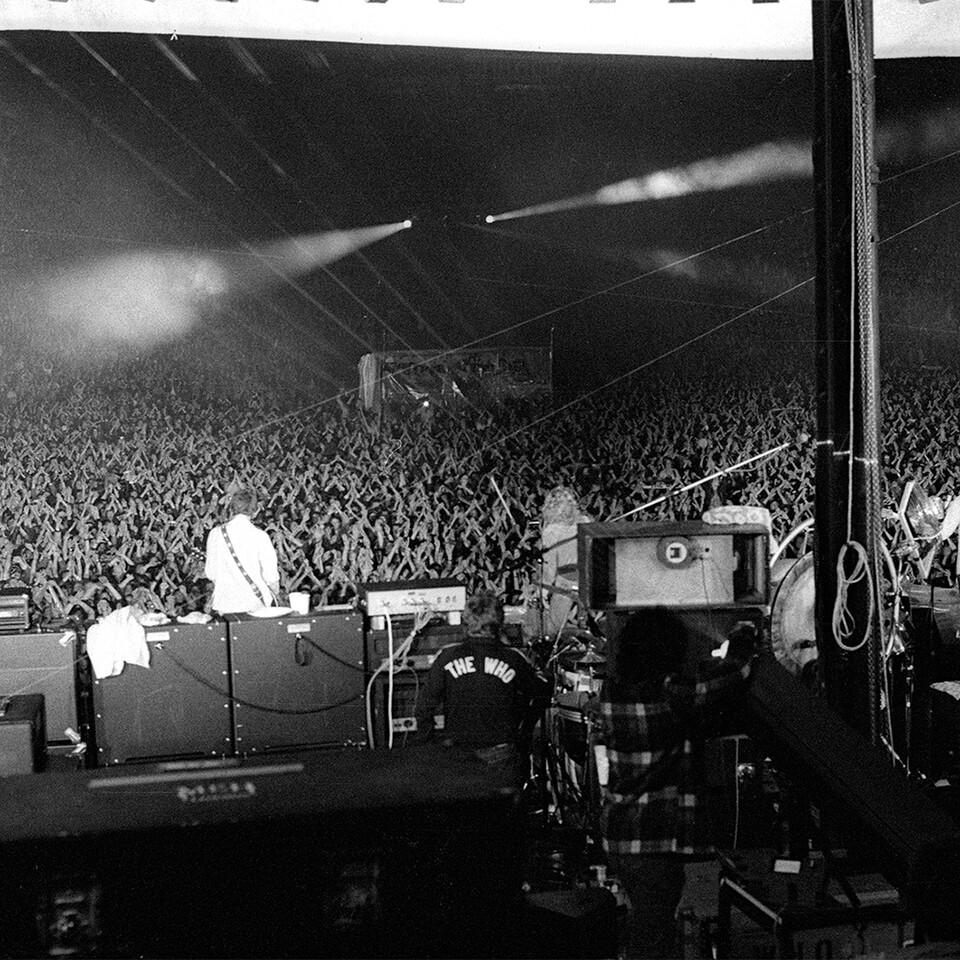
The sheer volume of the concert when it did start, is what went on to be legendary. At the time, the show entered the Guinness Book of Records as the loudest concert ever staged, measured at 126 decibels, which is louder than a jet aircraft taking off. Sound levels still reached 120 decibels from 50 metres away and easily beat the previous record set by Deep Purple of 117dB.
The Who’s amplification system was, of course, state of the art, and loud enough to cause long-lasting hearing damage. Supplied by Tasco, it delivered 76,000 watts through 80 (yes 80!) 800W Crown DC300A amplifiers, and 20 600W phase linear units. Experts warned that prolonged exposure to such levels could cause permanent hearing damage, something that Daltrey and guitarist Pete Townshend would suffer from in later years.
Eventually, the Guinness Book of Records category for loudest concert was abandoned entirely a couple of years later, amid fears it encouraged dangerous sound levels.
Even miles away, people could hear the performance echoing across south-east London.
One fan later wrote on Classic Rock Magazine’s Facebook page: “I worked in Woolwich at the time, and you could clearly hear the sound from there.”
Another added: “I lived on Charlton Park Lane and could hear every number.”
In the years since, the concert has become part of rock and SE7 folklore. Rain, overcrowding and chaos may have defined the evening, but so did a performance that many regard as one of The Who’s finest.
Click below to see some more images from the day, courtesy of Charlton's late, great photographer, Tom Morris.