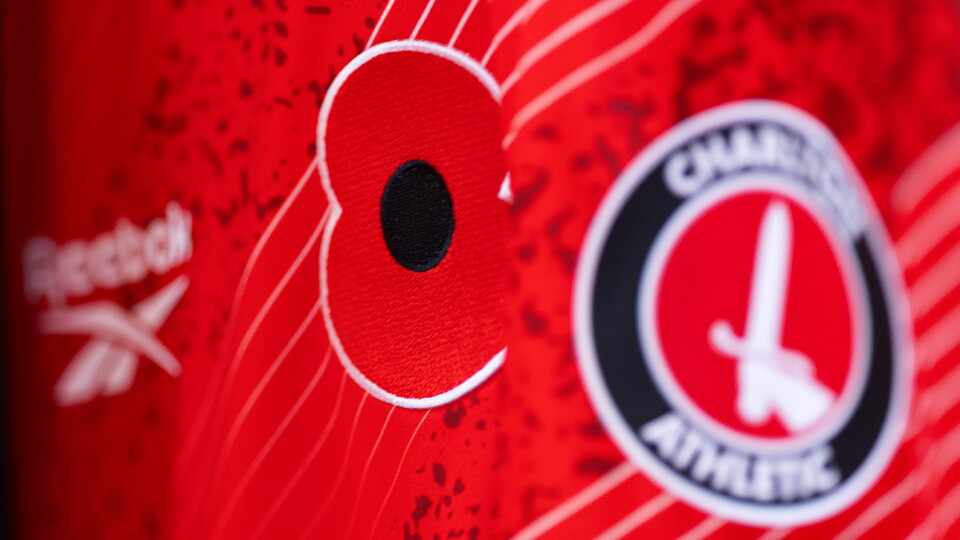
On Armistice Day, we take a look back to tell the story of the impact of war on the local area…
During both World War One and World War Two, Charlton Athletic and the local community had significant ties to the war effort.
On Remembrance Day, when we remember the bravery and sacrifice of those who went to battle, football can feel unimportant by comparison. It also serves as a reminder that the scars of war weren’t confined to distant battlefields.
For Charlton, war once struck home.
Thousands of people travel through Charlton train station every day, and even more so when the Addicks are at home. In contrast to some of the stations on the railway line, Charlton Station seems quite dull, but it wasn’t always that way.
Built in the grand Victorian style, Charlton Station once featured a station master’s house and offices spanning the tracks. That changed forever on June 23rd, 1944, when a German V1 flying bomb - one of Adolf Hitler’s so-called Vengeance Weapons - struck Charlton, destroying the station and killing five people.
Throughout the Second World War, south-east London played a crucial part in the nation’s fight for freedom. Charlton and nearby Woolwich were important industrial areas.
Nearby factories produced vital equipment for the allied effort. Radio and cable equipment was produced at the Siemens factory nearby to where Charlton Athletic was first born. Sections of PLUTO (Pipeline Under The Ocean), which carried fuel across the Channel to Normandy, were also built in factories throughout Charlton. The major industrial works in SE7 made Charlton and Woolwich prime targets for German bombing.
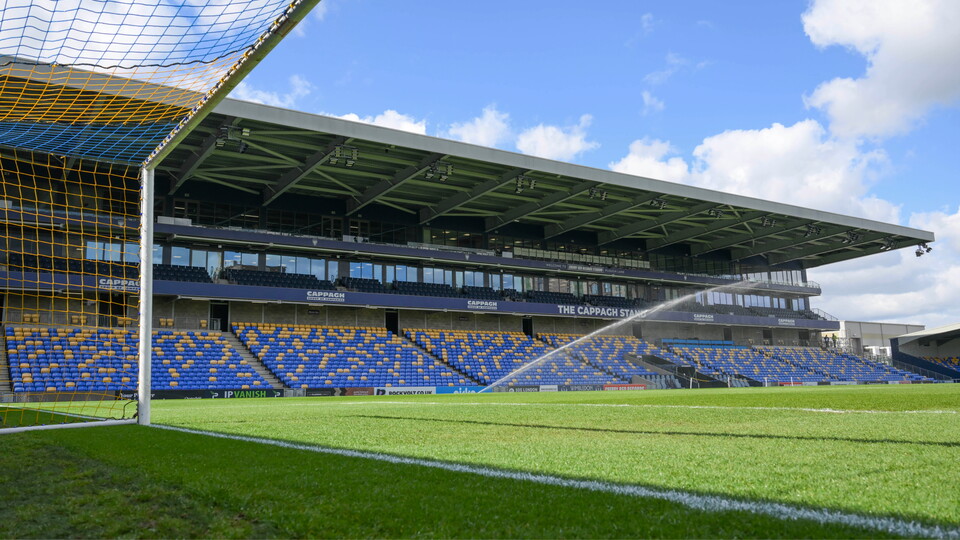
The local area suffered many direct hits during The Blitz. The Valley got off lightly, as the only damage it sustained was to the Covered End roof. Nearby neighbours Millwall were much less fortunate and suffered severe bomb damage. Following the damage, Millwall were forced to groundshare with the Addicks at The Valley for a prolonged period.
By 1944, many thought the end of the war was near, but the Nazis had a new weapon in their arsenal, a V1 flying bomb. V1 flying bombs were explosives powered by newly developed jet engines.
The first V1 hit Bow in East London, on June 13th, 1944. 10 days later, another V1 arrived in SE7, and destroyed Charlton station. There were five casualties in the incident, including Mrs Newick, the wife of the station master. Another 30 people were severely injured by the incident, including Home Guard William Oliver Brown, who lived nearby at Wolfe Crescent, adjacent to The Valley. The area surrounding the station and The Valley suffered extensive damage.
For many supporters, the journey to The Valley begins with a train to Charlton Station and a walk down Floyd Road - a routine steeped in happy tradition alongside family and friends, yet few stop to think about the history that unfolded here long before.
Today, we do. We will remember them.